Local conditions
Why Buderim's Red Soil Makes Stump Removal a Bigger Job
Buderim's defining feature is geological. The suburb sits on an elevated basalt plateau whose weathered red krasnozem soils were fertile enough to build an industry on, Buderim ginger, along with early sugar, bananas and coffee. That deep, friable, well-drained soil is still there under today's gardens, and it changes how trees grow. Root systems penetrate further and spread wider than in the sandy coastal soils a few kilometres east, so stump grinding in Buderim routinely means dealing with a root plate broader than the visible stump suggests.
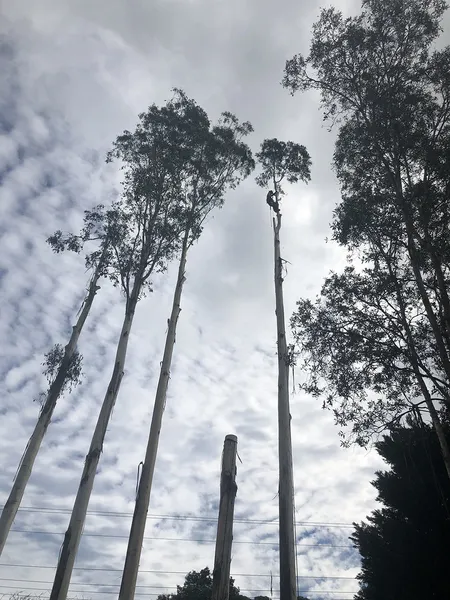
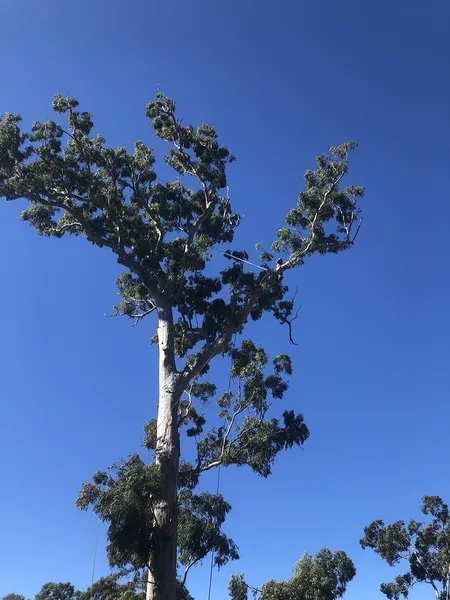
Layer on the suburb's history and you get the second factor: age. Much of Buderim's housing dates from the 1970s to 1990s, planted at the time with fast-growing shade and feature trees. Forty years on, those figs, camphor laurels, umbrella trees and poincianas are lifting paths, cracking retaining walls, filling gutters and shading the whole yard, and Buderim's high rainfall and warm subtropical climate mean anything cut off at the base regrows fast.
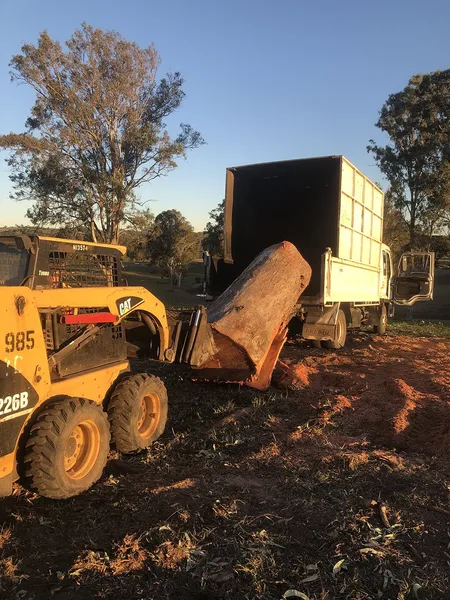
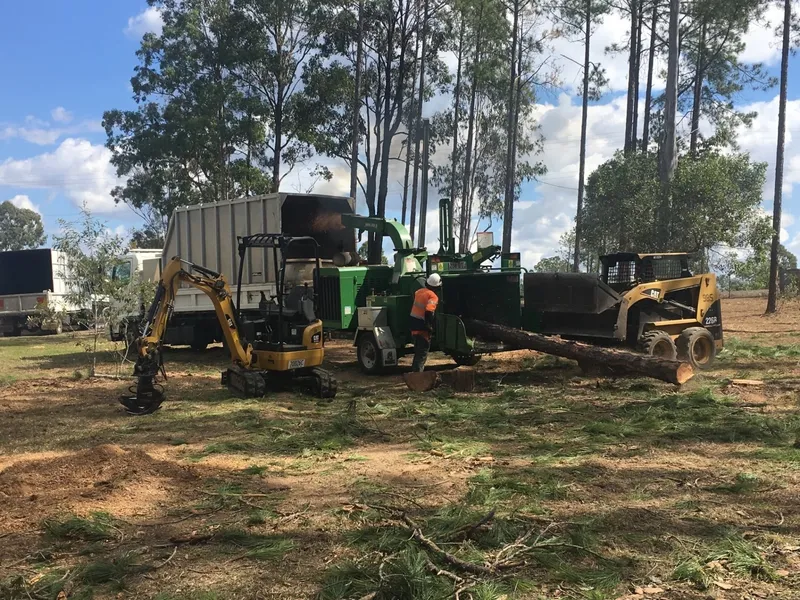
The third factor is topography. Plateau blocks are sloped and often heavily terraced, with stepped beds, garden walls, pools and narrow driveways. That restricts machine size and access routes, and it means grindings and debris have to be carried out, not simply tipped into a trailer at the kerb.
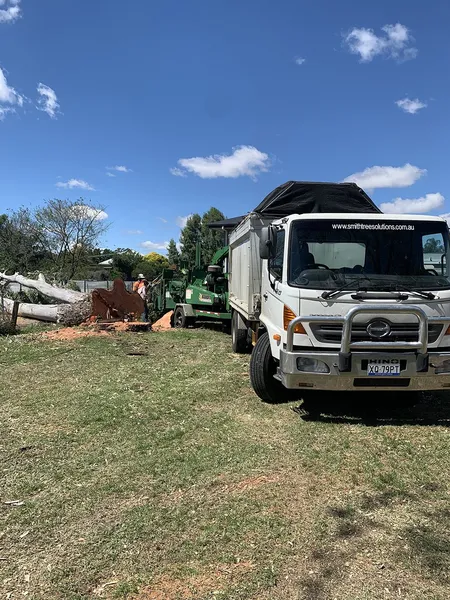
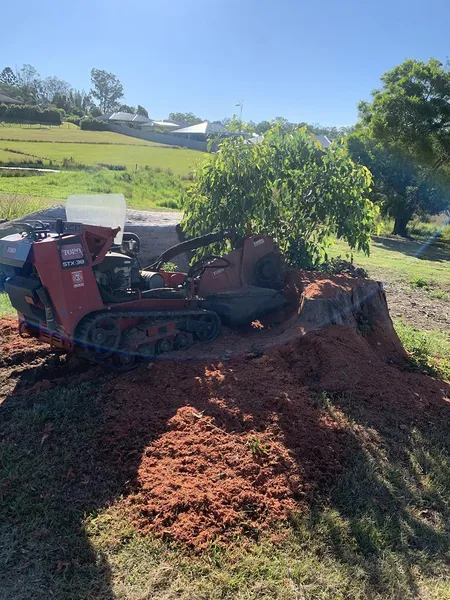
So for Buderim homeowners the practical impact is this: a cheap, shallow stump cut is false economy here. It resprouts, and it leaves roots that keep working against paving and walls. We respond by inspecting root spread and surrounding structures first, choosing a machine that can actually reach the stump on a graded block, grinding to a depth suited to what's going on top, and using the arisings as mulch on the beds that need it.