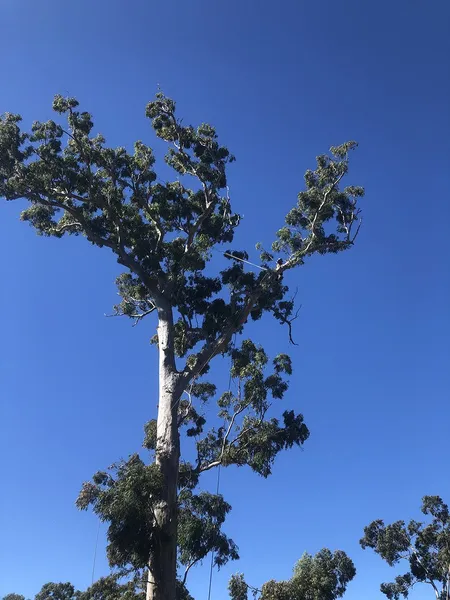
Stump grinding in Perwillowen on rural-residential land
A small, settled community
Perwillowen covers 3.6 square kilometres, about 4.0 km west-south-west of Nambour and 2.3 km west of Burnside. The 2021 Census counted 213 people in 87 dwellings, with an average of 3.6 bedrooms. Land use is a mix of rural residential and suburban housing, plus grazing on native vegetation. Burnside Road forms the north-east boundary and Perwillowen Road is the main route through.
Stumps on bigger lots
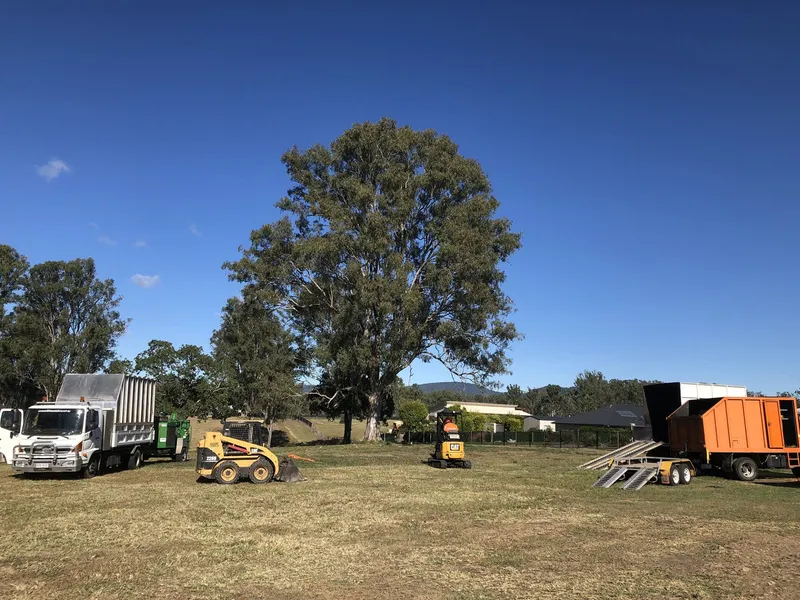
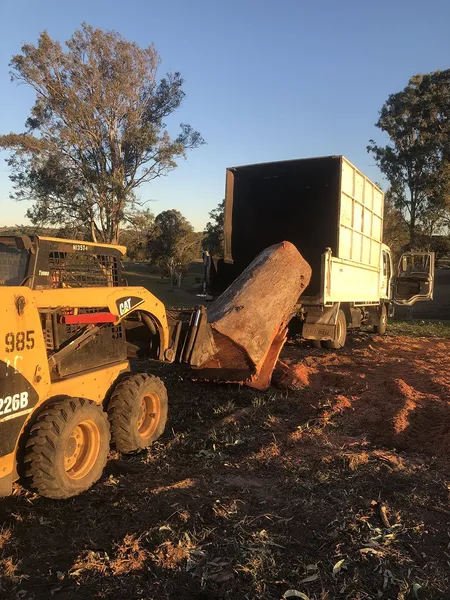
On rural-residential blocks, a paddock stump can sit far from the house, at the end of a long driveway or across a gully. Ground may be soft after rain or uneven where stock have grazed. Old hardwood stumps can dry very hard, and some sit close to fences or retained native trees.
Why it matters here
In 2021, 39.3% of Perwillowen homes were owned outright. Owners who plan to stay on their land for years get the most from clearing old stumps. Tree stump removal makes mowing safer, opens space for gardens and sheds, and cuts down trip hazards around the house.
Our approach on acreage
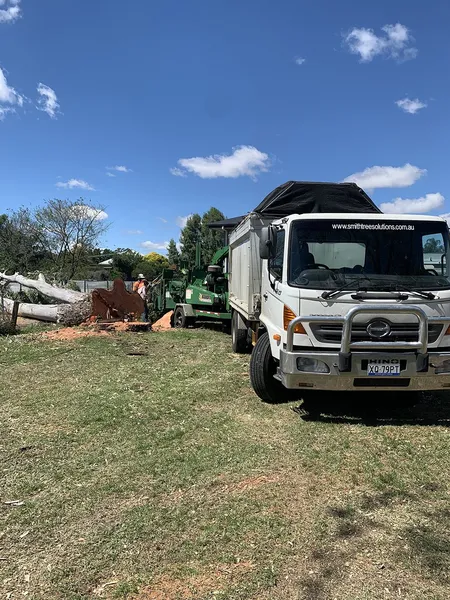
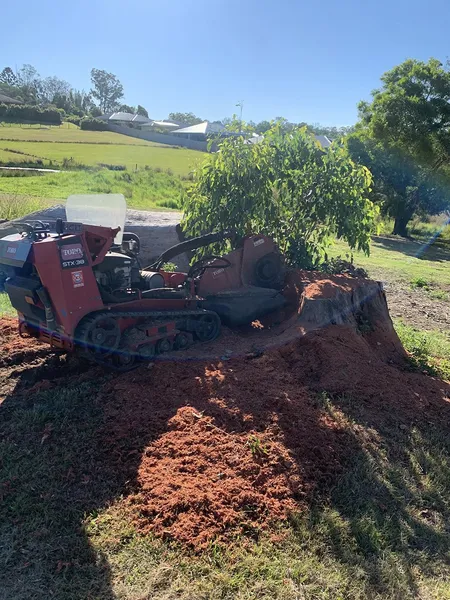
We walk the property with you, count the stumps and note anything nearby that needs protecting, from fences to retained native trees. Then we plan an order of work so the machine crosses the block only once. Stump grinding in Perwillowen finishes with a cleaned-up site and the chips placed where you asked.
Sources: ABS 2021 Census QuickStats, Perwillowen · Perwillowen, Queensland (Wikipedia)
Stump grinding in Perwillowen for acreage problems
Bigger blocks bring different stump issues. Here is how stump grinding in Perwillowen deals with them.
Stumps hidden in long grass
Cause: Stumps from old clearing or fallen trees disappear into pasture and long grass over the years.
Why it matters: They bend slasher and mower blades, and hitting one on a slope can tip a ride-on.
Our solution: We find and mark each paddock stump with you, then grind them down so the ground can be slashed safely again.
Prevention / next step: Keep a rough map of stumps on the property and have new ones ground soon after trees come down.
Signs to watch for:
- Bent mower blades
- Hidden lumps in pasture
Land clearing for paddocks
Old hardwood stump by the house
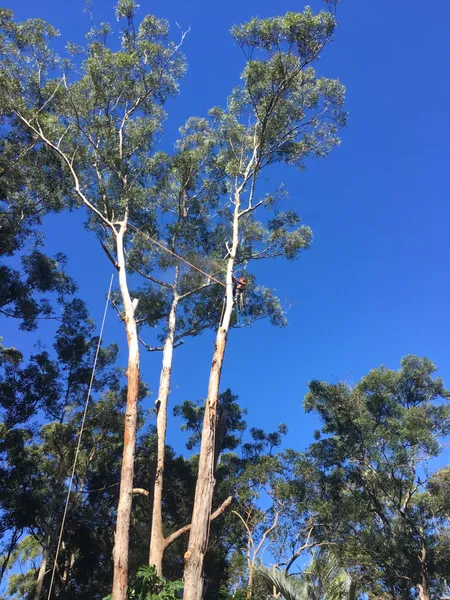
Cause: A large eucalyptus or fig was taken down near the house, and its stump was left behind.
Why it matters: Big hardwood stumps break down slowly, and their roots can lift paths and garden edging close to the home.
Our solution: Grinding takes out the stump along with its main surface roots, and we tidy up afterwards so you can lay turf or plant.
Prevention / next step: Plan new plantings so large species sit well away from the house, paths and sheds.
Signs to watch for:
- Raised edging
- Cracked paths
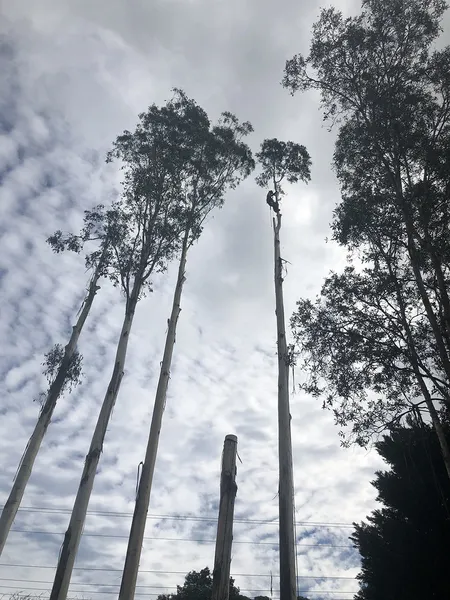
Tree removal near homes
Pipes and lines near the stump
Cause: Rural blocks often have irrigation, pump lines or shed power running across the yard.
Why it matters: Public utility plans are indicative only and generally don't show private lines, so a stump grinder could strike something nobody marked.
Our solution: We ask about private lines before we start and suggest lodging a free Before You Dig Australia enquiry. Then we grind with care around any marked runs.
Prevention / next step: Keep a note of where private lines run when they are first installed.
Signs to watch for:
- Irrigation heads nearby
- Power running to a shed
How we grind around services
Green waste piling up
Cause: Grinding and chipping create a lot of material on a big block.
Why it matters: Hauling it away means trailer trips and tip fees of $9, $20 or $37 a load, since green waste is not free at council tips.
Our solution: Ask us to spread the chips along tracks or around fruit trees on the property, which saves the trailer trips altogether.
Prevention / next step: Decide where mulch is wanted before the job so it goes straight to the right spot.
Signs to watch for:
- Large piles of offcuts
- No trailer for tip runs
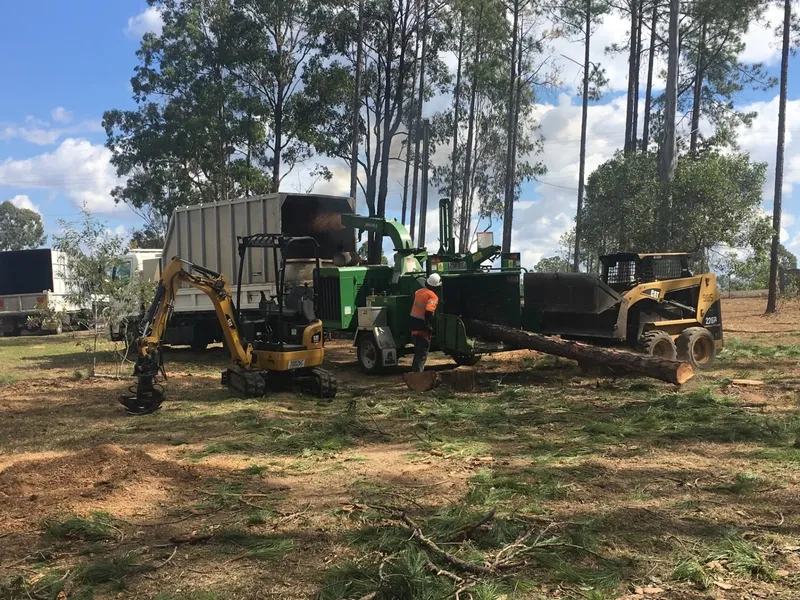
Wood chipping on acreage
Got a stump in the way? Get a free quote · 0409 491 683